BPC-157
10 mg vial, 60 capsules
From $69
AminoLab stocks recovery peptides Australia research groups use for tissue repair, inflammation and nerve injury models, all held locally and ready to ship. The range runs from BPC-157 in both vial and capsule format through TB-500, KPV, ARA-290 and Cartalax to the Wolverine and KLOW blends. Each lot is tested by an independent laboratory and comes with a certificate of analysis tied to the number on its label, so you know exactly what is in the vial before the work begins.
10 mg vial, 60 capsules
10 mg vial
10 mg vial
10 mg vial
80 mg vial
10 mg vial
20 mg vial
The quickest way through this category is to start from the tissue your model damages and the endpoint you plan to measure. Seven products cover tendon and ligament, gut lining, inflammatory signalling, peripheral nerve, cartilage and skin. Below, each research question is matched to the compound we would put forward first, with prices alongside.
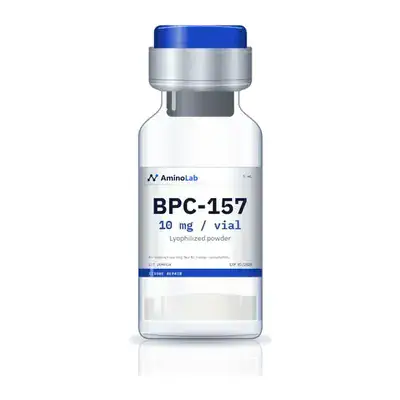
BPC-157 has around three decades of rodent literature on tendon, ligament, muscle and gut injury, which is why we name it as the best peptide for tendon repair research in this range. It is a fragment of 15 amino acids originally isolated from a gastric juice protein, and most papers look at what it does inside injured tissue and the vessels that feed it.
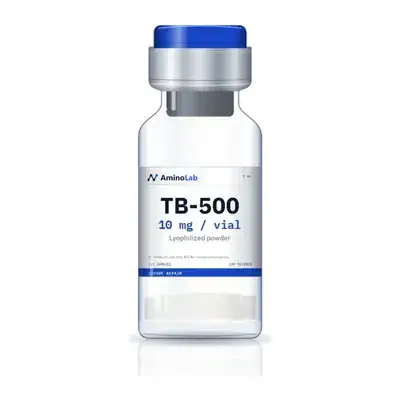
Many soft tissue projects add TB-500, a synthetic analogue of thymosin beta-4. Thymosin beta-4 binds G-actin, so the research interest here is cell migration and new vessel growth, in other words how repair cells reach the wound rather than what happens once they arrive. If you are weighing one against the other, our BPC-157 vs TB-500 guide sets out the evidence for each.
BPC-157 tolerates acidic conditions far better than most repair peptides. That property is the reason it can be supplied in capsules as well as vials, and it puts the compound high on any list of the best peptides for gut health models. Gut projects that also measure inflammation often add KPV, covered next.
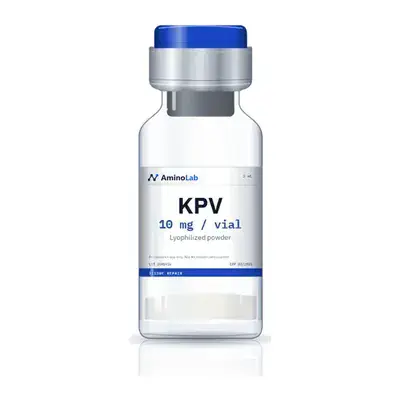
Ask us for the best peptides for inflammation studies and three names come up. KPV, the final three residues of alpha-MSH (Lys-Pro-Val), is taken up by intestinal cells via PepT1 and has been examined in colitis models in mice for its effect on NF-kappaB. You will also find it in our immune peptides section too. BPC-157 is the second, useful when inflammation is one readout inside a wider injury model. The third is ARA-290.
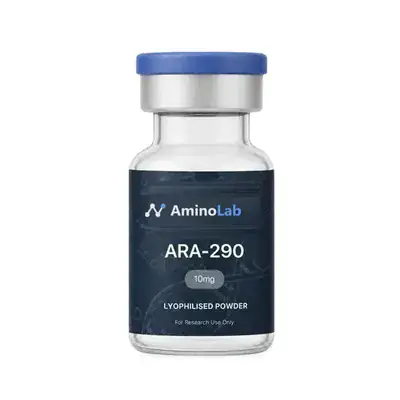
ARA-290, sold under the name cibinetide in the literature, is an 11 amino acid sequence designed from the helix B region of erythropoietin. It engages the innate repair receptor while avoiding the red blood cell response that erythropoietin itself triggers, and small fibre neuropathy has been examined in early phase clinical trials. On that record we regard it as the best peptide for nerve repair designs we carry.
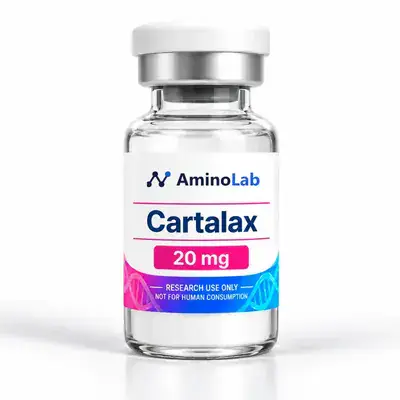
Cartalax is the tripeptide Ala-Glu-Asp, one of the short bioregulators developed by researchers in St Petersburg. Laboratories use it to look at chondrocytes and cartilage gene expression.
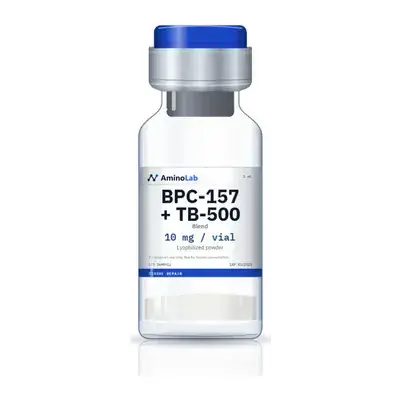
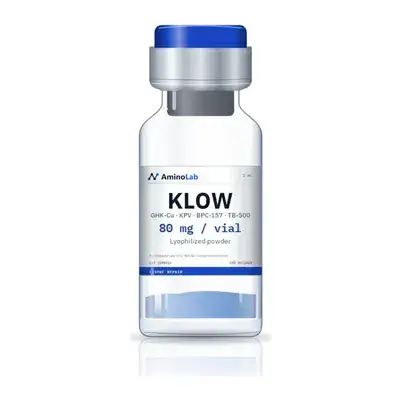
Two premixed vials sit in this category. The Wolverine blend holds BPC-157 together with TB-500 in 10 mg of powder. KLOW is bigger, an 80 mg vial that adds GHK-Cu and KPV to the same pair, with the copper peptide accounting for most of the mass. KLOW is the natural fit when a dermal repair study wants a copper peptide arm.
Blends save work, since a single vial means one reconstitution, one label and one certificate to file. The trade off is flexibility, because the proportions are set at manufacture and cannot be adjusted later. Our advice is to run individual vials while you are still comparing compounds, then move to a blend once your method has fixed the combination. The full list of premixed products lives in peptide blends.
Separate vials let every effect be attributed to one peptide. Typical pairings our customers order are BPC-157 plus TB-500 for soft tissue injury, the BPC-157 capsules plus KPV for gut inflammation, and ARA-290 plus BPC-157 for nerve damage. If you need a single reference compound to anchor later arms, BPC-157 is the safest choice because no other product here has as much published rodent data.
BPC-157 and TB-500 are among the most widely copied research compounds, so the paperwork matters. Every AminoLab lot goes to an independent laboratory. Mass spectrometry confirms the sequence and HPLC reports purity, and the Wolverine and KLOW blends are tested for each individual component rather than given one overall figure. Read the lot code printed on the vial or bottle, then open the matching report in the COA library.
Pay before 3pm on any business day and the parcel is dispatched that afternoon, tracked to anywhere in Australia. Remember to include bacteriostatic water for vial products. All items in this category are supplied only for in vitro laboratory research to adults aged 18 or over, and none is approved by the TGA.
| Peptide | Size options | Supplied as |
|---|---|---|
| BPC-157 | 10 mg vial or 60 capsules | Freeze dried vial or capsule bottle |
| TB-500 | 10 mg | Freeze dried vial |
| Wolverine Blend, BPC-157 and TB-500 | 10 mg | Freeze dried vial |
| KPV | 10 mg | Freeze dried vial |
| KLOW | 80 mg | Freeze dried vial |
| ARA-290 (Cibinetide) | 10 mg | Freeze dried vial |
| Cartalax | 20 mg | Freeze dried vial |
We consider KPV, BPC-157 and ARA-290 the best peptides for inflammation work. KPV is the most specific, with colitis and skin papers centred on NF-kappaB. BPC-157 is chosen when inflammation is measured inside a broader injury model, and ARA-290 appears in neuropathic and systemic inflammation studies. Each is a laboratory reagent and nothing more.
One 10 mg freeze dried vial containing both BPC-157 and TB-500. A single reconstitution gives you the two peptides together at a fixed proportion, and the certificate confirms each one individually. Where the study must change or compare the two, separate vials are the better purchase.
Order the vial (10 mg) when you want to set concentration yourself with bacteriostatic water. Order the bottle when the design is oral, as it contains 60 capsules of 500 mcg, a total of 30 mg, and requires no mixing.
AminoLab supplies recovery peptides Australia wide from stock kept here. An outside laboratory checks identity and purity on every lot and the report carries the same lot number as your vial. Payment before 3pm on a business day means same day tracked dispatch.
ARA-290, also called cibinetide. Its sequence comes from the helix B face of erythropoietin, it acts through the innate repair receptor with no red cell stimulation, and it has reached early clinical testing in small fibre neuropathy.
Research use onlyAminoLab supplies research compounds for laboratory and in-vitro use, not for human or animal consumption. By continuing you confirm you are 18 or older and buying for research.
Leave