BPC-157
10 mg vial, 60 capsules
From $69
Our peptide storage guide boils down to one idea. Every week a peptide spends warm, wet, lit or exposed to air costs it some quality, and every thaw after a freeze costs a little more. Unmixed powder in a sealed vial tolerates a lot, so it goes in the freezer at -20 °C for anything beyond a month, or the fridge at 2 to 8 °C when you expect to open it soon. Mixed stock is fragile. It stays at 2 to 8 °C in darkness and, if bacteriostatic water was the diluent, gets used within about four weeks. Anything meant to outlive that goes into small one-use tubes and into the freezer. The rest of this page explains the why and the how.
The figures in this chart are the ones our own team plans around. They lean cautious, they are not guarantees for every possible sequence, and any stability study published for your specific compound outranks them.
| Condition of the vial | Storage spot | Light | Expected usable period |
|---|---|---|---|
| Lyophilised, sealed | Freezer at -20 °C | Kept dark | Long term, until the label expiry |
| Lyophilised, sealed | Fridge at 2 to 8 °C | Kept dark | Several weeks at most |
| Reconstituted in bacteriostatic water | Fridge at 2 to 8 °C | Kept dark | Roughly 28 days |
| Reconstituted in sterile water | Fridge at 2 to 8 °C | Kept dark | Only a few days |
| Single-use aliquot | Freezer at -20 °C | Kept dark | Weeks to months, one thaw only |
| Any solution left on the bench | Room temperature | Any | A matter of hours, then back to the fridge |
Why is powder so hardy? Freeze-drying removed almost every molecule of water, and the reactions that wreck peptides need water to run. Hardy, though, is not the same as indestructible, so a few habits still matter.
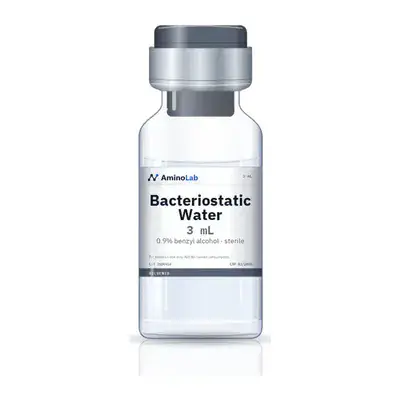
From the moment liquid hits the cake, time is running. Bacteriostatic water carries 0.9% benzyl alcohol, which restrains microbes enough for a cold vial to be sampled for about 28 days. Three small habits help. Keep the vial standing so the stopper stays dry, shield it with foil or a box, and clean the septum with an alcohol swab before each draw.
Date every label at mixing. A colleague looking at an undated vial has no way of knowing whether it was made on Monday or last month, and that one gap ends up costing more stock than any faulty fridge.
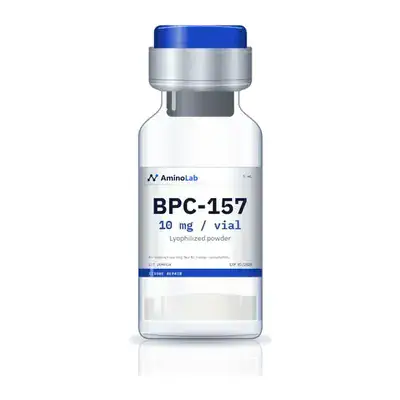
Can mixed peptide go into the freezer? Yes, on one condition, that each tube is frozen once and thawed once. During freezing the water locks into ice before anything else, herding peptide and salt into tiny leftover pools where acidity and concentration swing wildly. Peptides usually ride out one such event. Put the same vial through it again and again and you start to see clumping and falling recovery. Take a 10 mg vial of BPC-157 as an example of how we split stock.
In our experience the decision is easy. If you cannot see the vial being empty inside four weeks, portion it out the day you make it. The job takes about ten minutes and protects the bulk of the stock from whatever goes wrong later. Multi-draw vials made with bacteriostatic water are the exception, they stay in the fridge and never return to the freezer.
Certain residues break down more easily than others, and spotting them tells you where to tighten up.
The BPC-157 and SLU-PP-332 capsule bottles want a cool, dry, dark cupboard and a firmly closed cap between uses. DSIP, Selank and Semax nasal sprays are liquids from the start, so look after them the way you would a mixed vial, refrigerated and dark in line with the label. Unopened bacteriostatic water and acetic acid need no fridge before their printed expiry date. Pierce one, though, and it becomes a 28 day item that belongs beside your peptides.
Purity cannot be judged by eye. In doubtful cases, run the suspect stock beside a new vial of the identical lot, and confirm the lot number on its certificate, as set out in how to read a COA. All AminoLab products are sold for in-vitro lab use only and are never to be given to people or animals.
Smart storage actually begins when you order. Sealed lyophilised vials are the sturdiest format available, so for a study that will run for months, choose powder over pre-mixed solutions and leave the extra vials frozen until each is required. Shop the research peptide catalogue online with fill size in mind, since a small vial emptied within four weeks of mixing is less wasteful than a large one forgotten at the back of the fridge. Bacteriostatic water is available at 3, 10 or 30 mL, so match the bottle to what you mix each month, and for IGF-1 LR3 add 0.6% acetic acid, the diluent it dissolves in more easily. Our COA library holds a certificate for every lot, meaning the number you copy onto an aliquot tube links back to an independent identity and purity result. Buy from Australian stock, keep each vial sealed in the freezer until mixing day, and come back to this peptide storage guide whenever a new delivery lands.
Four things drive peptide breakdown, water, heat, light and oxygen. Lyophilisation removes the first, which explains why an unopened vial forgives so much more than a mixed one. Good storage simply keeps the other three away as long as possible.
Now the peptide is dissolved, and both hydrolysis and microbial growth are live risks. Keep it at 2 to 8 °C out of the light, and finish it inside 28 days if bacteriostatic water was used. A mixed multi-use vial must not bounce between freezer and fridge.
Every cycle builds ice crystals and creates pockets of concentrated solute, conditions that push chains to aggregate or fall apart. For stock that must last past four weeks, split it into one-use tubes when you mix it, freeze them, and thaw each a single time.
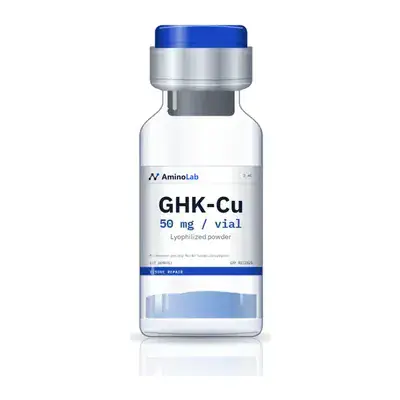
Watch for a cake that has sunk into a tacky layer, liquid that has turned cloudy or gained particles, or an unexpected change of colour. GHK-Cu owes its blue to copper, so measure it against its own certificate rather than against white peptides. When uncertain, compare the vial with the description recorded for its lot in the COA library.
Beside the printed lot number, add the date of mixing, the diluent and the final concentration. To calculate that concentration, follow our reconstitution walkthrough.
They travel fine without refrigeration, but once the parcel is open the vials should be stored cold. Freeze-dried powder survives a few days at room temperature, which is why domestic shipping uses no ice packs. Choose the fridge at 2 to 8 °C for vials you will open within weeks and the freezer at -20 °C for anything longer, always dark and dry.
Around four weeks when bacteriostatic water was used and the vial sits dark at 2 to 8 °C. Sterile water has no preservative, so count on days, not weeks. Methionine, cysteine or tryptophan in the sequence can shorten that. To stretch past four weeks, freeze one-use aliquots on the day of mixing.
Avoid it where possible. Each cycle packs the peptide into shrinking pockets of liquid between ice crystals, which encourages clumping and reduces recovery. Freezing small one-use tubes, thawing them individually and discarding any remainder solves the problem. Multi-draw bacteriostatic water vials belong in the fridge permanently.
Powder keeps best at -20 °C, with 2 to 8 °C acceptable for some weeks. Mixed stock belongs at 2 to 8 °C, and should never spend more than a few hours at room temperature. Frozen tubes go back to -20 °C. A steady setting is as important as the number, so skip fridge doors and frost-free freezers if you can.
Yes. AminoLab keeps sealed lyophilised research peptides, bacteriostatic water at 3, 10 and 30 mL and 0.6% acetic acid in Australian stock, so the whole set arrives and goes into storage together. Look up each lot certificate in the COA library. All products are for laboratory research only.
10 mg vial, 60 capsules
50 mg vial, 100 mg vial
10 mg vial
3 mL, 3 mL + 1 syringe, 10 mL, 10 mL + 1 syringe, 30 mL, 30 mL + 1 syringe
Research use onlyAminoLab supplies research compounds for laboratory and in-vitro use, not for human or animal consumption. By continuing you confirm you are 18 or older and buying for research.
Leave