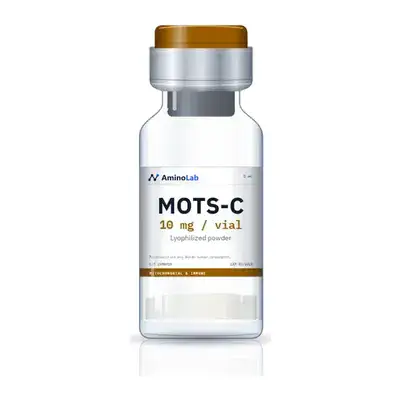
MOTS-C
10 mg vial, 20 mg vial, 40 mg vial
From $69
Shop longevity peptides Australia labs can verify lot by lot, in a focused AminoLab range. On the bioregulator and sleep side you will find Epitalon, DSIP, Pinealon, Cartalax and Thymalin, while MOTS-C, SS-31, NAD+ and glutathione cover mitochondrial and oxidative ageing models. Before any lot goes on sale, an independent laboratory checks its identity and purity, and the certificate of analysis carries the same lot number as the vial. Orders ship from stock kept here in Australia.
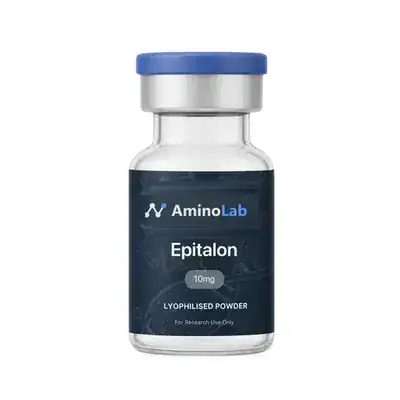
Four compounds in this nine-product range come out of the bioregulator work that Vladimir Khavinson ran in St Petersburg. Each is tiny, only three or four amino acids, and each was patterned on extracts taken from a particular organ. Start with Epitalon (Ala-Glu-Asp-Gly), a four-residue chain that traces back to studies of epithalamin, an extract of the pineal gland. Labs use it to look at telomerase activity in cell culture and at the evening melatonin cycle in ageing animals, so it bridges cellular senescence and circadian work. It comes as a 10 mg vial or a 50 mg vial.
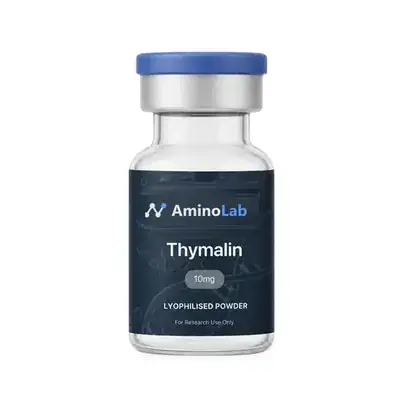
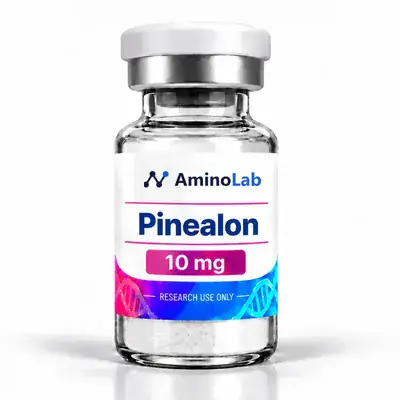
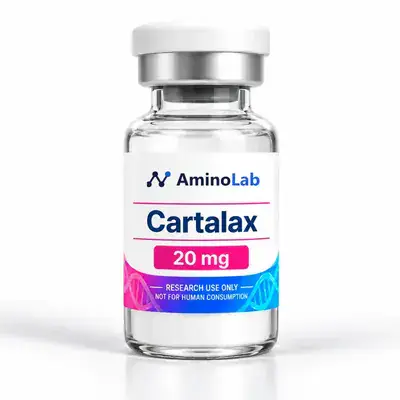
Pinealon (Glu-Asp-Arg) is a three-residue chain that labs apply to nerve cell cultures under oxidative challenge. Cartalax reads Ala-Glu-Asp, which is Epitalon minus its glycine, and it turns up in gene expression studies of cartilage and connective tissue. With sequences that similar, the mass figure printed on each certificate is the fastest check of what is actually in the vial. Rounding out the group, Thymalin comes as a 10 mg vial and is used to model thymus involution and immune ageing. One fair warning applies across all four. Most of what has been published comes from one research school, and independent replication remains thin.
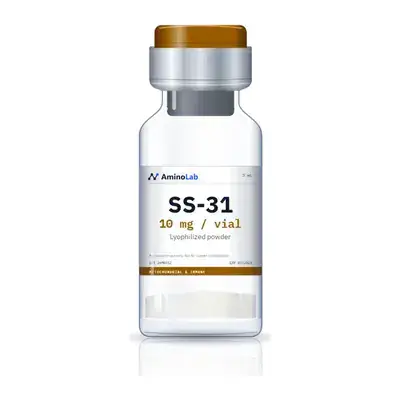
The second group targets the energy and oxidative side of ageing. MOTS-C is a 16 residue peptide coded inside mitochondrial DNA, within the 12S rRNA region, and researchers treat it as a messenger passing from mitochondria to the nucleus when modelling metabolic ageing. Choose 10 mg, 20 mg or 40 mg. SS-31, sold elsewhere under the name elamipretide, is a four-residue compound that accumulates on the inner mitochondrial membrane and attaches to cardiolipin. You will also see both listed in our mitochondrial peptides collection.
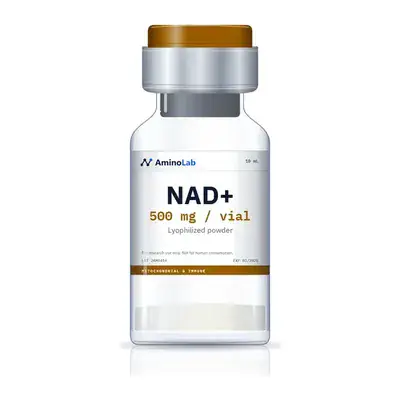
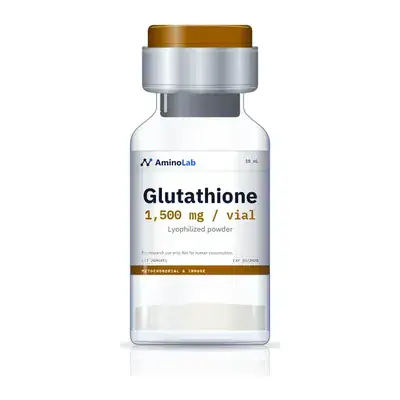
Technically NAD+ is a coenzyme rather than a peptide. It shuttles electrons through energy metabolism, sirtuins use it up, and animal research reports that levels drop with age, which is why it features in nearly every ageing panel. Glutathione, the tripeptide gamma-Glu-Cys-Gly, is the cell's main thiol antioxidant and a standard reference for oxidative damage endpoints.
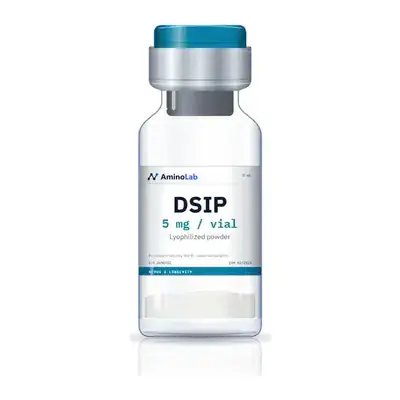
When the readout is slow-wave sleep, DSIP is the compound to look at, and many labs regard it as the best peptide for sleep work in this range. Delta sleep-inducing peptide has nine residues and was first isolated from rabbits in 1977, and was named after the deep, slow-wave pattern that early workers believed it encouraged. A dedicated receptor has never been pinned down and sleep findings are inconsistent, which leaves how it works unresolved. It is also the one product here sold in three formats, a 5 mg vial, a 10 mg vial, and a nasal spray of 10 mL that holds 10 mg in total (1 mg per mL). Run DSIP alongside Epitalon and a single design can track both sleep depth and daily rhythm.
The simplest way to choose is by the endpoint you plan to measure. For telomere or pineal questions, look at Epitalon. Pinealon suits neuronal oxidative stress, Cartalax suits cartilage ageing and Thymalin suits thymus or immune senescence. Mitochondrial output points to MOTS-C or SS-31, falling coenzyme levels to NAD+, redox balance to glutathione, and slow-wave sleep to DSIP.
Building a wide first panel? Put together the 50 mg Epitalon, the 10 mg MOTS-C and the 500 mg NAD+ to cover three different markers. No single ranking of the best peptides for ageing research exists. We think the bioregulator data is encouraging but narrow, so any design should hold up on its own controls.
No lot in this range goes live in the shop until outside testing is done. An independent lab runs mass spectrometry, which confirms the molecule, and HPLC to measure purity. Enter the lot code shown on your vial into our COA library to pull up its matching certificate. Payments cleared before 3pm on a business day go out the same afternoon, with tracked shipping to any address in Australia. As these are dry powders, most labs also add a vial of bacteriostatic water to the order. All compounds go only to adults 18 and over, for in vitro and laboratory research, and none holds TGA approval for human use. Buy several compounds from this range in one order and they arrive together, start storage on the same day and come with their own batch reports, which keeps a multi-arm ageing study simple to run and easy to document.
| Compound | Fill sizes | Format |
|---|---|---|
| Epitalon | 10 mg, 50 mg | Glass vial, freeze-dried powder |
| DSIP | 5 mg, 10 mg, 10 mL nasal spray | Freeze-dried vial or nasal spray |
| Pinealon | 10 mg | Glass vial, freeze-dried powder |
| Cartalax | 20 mg | Glass vial, freeze-dried powder |
| Thymalin | 10 mg | Glass vial, freeze-dried powder |
| MOTS-C | 10 mg, 20 mg, 40 mg | Glass vial, freeze-dried powder |
| SS-31 | 10 mg | Glass vial, freeze-dried powder |
| NAD+ | 500 mg | Glass vial, freeze-dried powder |
| Glutathione | 1,500 mg | Glass vial, freeze-dried powder |
The term covers research compounds tested against particular ageing markers, for example sleep architecture, thymus involution, telomerase activity, mitochondrial output, oxidative damage and NAD+ levels. Our range holds nine, running from Epitalon and DSIP through to MOTS-C, SS-31 and NAD+. Every one is sold strictly for laboratory research and never for human use.
DSIP is the usual choice, given that it was named for the deep sleep stage early rodent and rabbit work tied it to, though no receptor for it is known. Circadian designs often add Epitalon. DSIP is available as a 5 mg vial, a 10 mg vial or a 10 mL spray.
The smaller fill suits a quick pilot, while the larger one makes more sense once a longer run of experiments is mapped out.
Although it is a coenzyme, ageing research leans on it heavily. It powers electron transfer in metabolism, sirtuins draw it down, and levels in older animals are reported to be lower. Many labs test it next to MOTS-C or Epitalon. Our NAD+ comes as a 500 mg lyophilised fill.
They are. An outside laboratory checks identity by mass spectrometry and purity by HPLC on each lot before we release it. The lot number printed on your vial links to its own certificate in the AminoLab COA library, so the result you read belongs to your batch and not a generic sample.
Research use onlyAminoLab supplies research compounds for laboratory and in-vitro use, not for human or animal consumption. By continuing you confirm you are 18 or older and buying for research.
Leave