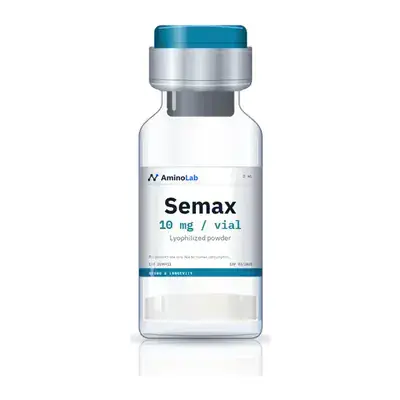
Semax
10 mg vial, Nasal spray, 10 mL
From $59
AminoLab supplies peptides Canberra researchers can check in full before any vial is unsealed. Each freeze dried compound in our catalogue is listed with its lot number and a certificate of analysis from an independent laboratory, so lab managers, postgraduate students and research staff across the ACT can order online knowing the documentation is already there. Below you will find the compounds that best match the work carried out around the national capital, guidance on which format to choose, and practical advice on keeping vials stable through a year that runs from icy July dawns to February days well above 35 °C.
The capital is home to fewer than half a million people, yet its scientific output is remarkable. At the Australian National University, the John Curtin School of Medical Research is recognised for neuroscience, genetics and immunology. The University of Canberra campus in Bruce teaches health and sport science, Canberra Hospital in Garran hosts clinical studies, and the CSIRO laboratories on Black Mountain concentrate on plant and environmental science. We mention these institutions only to sketch the local research landscape, which tends towards questions about the brain, behaviour and ageing. None of them is a customer reference, partner or endorser of AminoLab.
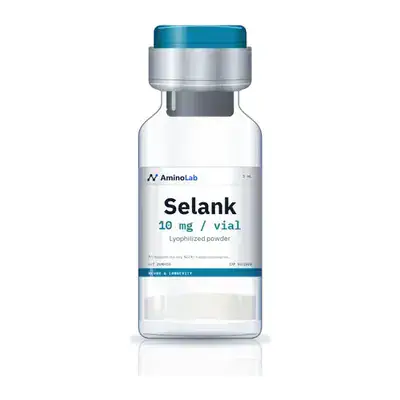
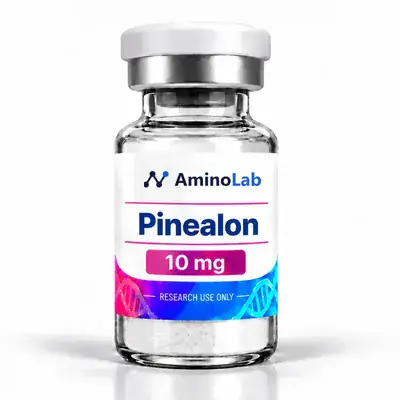
With that focus in mind, most ACT groups begin with our nootropic peptides range. Semax is a seven residue analogue of the ACTH 4 to 10 fragment with a mass of roughly 813.9 Da, while Selank is derived from tuftsin and weighs roughly 751.9 Da. Pinealon, a three residue chain (Glu-Asp-Arg) sold as a 10 mg vial, works well as a third comparison arm in projects examining short regulatory peptides.
When a study sets these two compounds against each other, our advice is to buy them in matching formats. Running one arm from a nasal spray and the other from a reconstituted vial introduces format as an extra variable, and any reviewer will query it. For most in vitro designs the vial is the better pick, because your own diluent lets you set the concentration precisely.
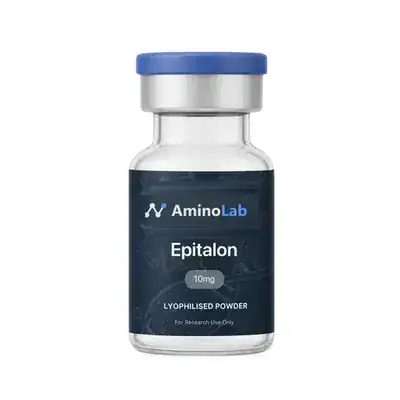
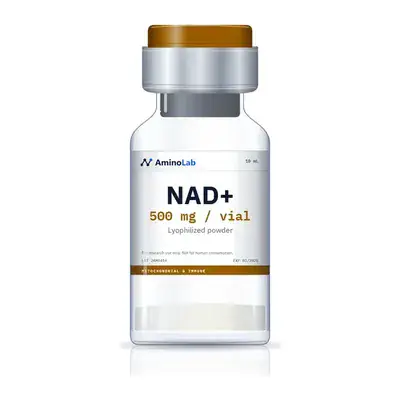
Ageing studies in the ACT usually turn to Epitalon (Ala-Glu-Asp-Gly, roughly 390.4 Da). Also in the longevity range is NAD+, supplied as a 500 mg vial. Being a coenzyme rather than a peptide, NAD+ comes with a certificate that confirms a mass close to 663 Da rather than an amino acid sequence.
You will not find research grade lyophilised vials with lot certificates on a shelf in Belconnen, Woden or Gungahlin, because no retailer in the territory carries them. AminoLab operates purely online. Our whole catalogue is kept in Australian stock, Acton and Tuggeranong buyers see exactly the same listings and prices, and you can read the test results in one browser tab while you shop in another.
Type the lot code from the vial label into the COA library to bring up its certificate, then confirm each of the following points.
Should any of these checks not line up, get in touch with us before you reconstitute anything. A vial that has already been mixed is far more difficult to evaluate.
Thanks to an elevation of roughly 580 metres, no mainland capital has colder winters than Canberra, and its summers run hot and dry. A sealed vial kept in a properly working fridge copes with both, yet each season still trips people up. A backup fridge out in a cold garage may dip under its set point on a minus 5 °C July night, turning a reconstituted solution to ice, and every cycle of freezing and thawing degrades the peptide further. Leaving a vial inside a parked car at a town centre shopping precinct in January does equal harm. Hold sealed stock that will be opened within a few weeks at 2 to 8 °C, transfer anything kept longer to minus 20 °C, and finish reconstituted solutions within about 28 days. For the complete set of temperatures, refer to the peptide storage guide.
All AminoLab products are supplied as laboratory research materials. The Therapeutic Goods Administration has approved none of them. They are not medicines or supplements, and they must never be given to humans or animals. We only accept orders from adults who are 18 or older. Groups that work alongside New South Wales laboratories may also find our peptides Sydney page useful, as it outlines the research community in that city.
Canberra customers order research peptides from AminoLab through our online store, as we do not run a physical outlet in the ACT. Every freeze dried vial we ship is labelled with a lot number linked to a certificate of analysis from an independent laboratory, so identity and purity can be reviewed before purchase. We sell only to adults aged 18 or older, and only for laboratory research.
There is no AminoLab store to visit in the ACT, since we trade exclusively online. Canberra buyers order directly from the product listings, which are supplied from Australian stock, and every lot certificate can be read before checkout. All sales are restricted to laboratory research and to customers who are 18 or over.
Choose a single format and apply it to both. Keeping the format the same means the compound is the only thing that differs between arms, so results compare cleanly and the methods section is easier to justify.
Keep stock in a fridge inside the house or lab at 2 to 8 °C, never in an outbuilding. Cold ACT nights can push an unheated appliance below its set point, which may freeze a mixed solution, and each freeze and thaw takes a toll on peptide integrity. For storage beyond a month, sealed freeze dried vials do best at minus 20 °C.
Yes, as laboratory research materials. AminoLab sells peptides in Canberra only on that basis and only to buyers aged 18 or over. No product is TGA approved, nothing we sell is a medicine, and no compound may be used in people or animals. If your work extends beyond in vitro studies, confirm your institution's ethics and compliance obligations before placing an order.
Research use onlyAminoLab supplies research compounds for laboratory and in-vitro use, not for human or animal consumption. By continuing you confirm you are 18 or older and buying for research.
Leave