NAD+
500 mg vial
$79
500 mg vial
10 mg vial, 20 mg vial, 40 mg vial
10 mg vial, 60 capsules
10 mg vial
5 mg vial, 10 mg vial
3 mL, 3 mL + 1 syringe, 10 mL, 10 mL + 1 syringe, 30 mL, 30 mL + 1 syringe
Peptides Adelaide labs rely on should come with proof, and that is how AminoLab sells them. Every compound ships freeze-dried from our Australian warehouse, every lot has a certificate written by an outside testing laboratory, and you can read that certificate, pick a diluent and pay in one visit. Supply is limited to laboratory research and to buyers who are 18 or older.
Pick a product, open its lot certificate, then check out. That short sequence is deliberate. A South Australian lab wants the code on the vial, the code on the paperwork and the stated purpose of the product to agree with one another, and our listings are laid out so you can confirm all three in a minute. Prices and vial sizes appear on each page, and the current lot's report is published in the COA library before you spend a cent. New customers in SA often begin with one peptide and a single diluent vial, run their own acceptance checks, and only then scale up. We think that is a sensible habit.
Adelaide BioMed City, on the western stretch of North Terrace, puts the Royal Adelaide Hospital, SAHMRI (the South Australian Health and Medical Research Institute) and university medical schools side by side. Further south, Bedford Park hosts Flinders University and Flinders Medical Centre. Heart disease, metabolism and ageing are recurring themes in both precincts. We name them to describe the city's research profile only, and none of these bodies is a customer or endorser of AminoLab.
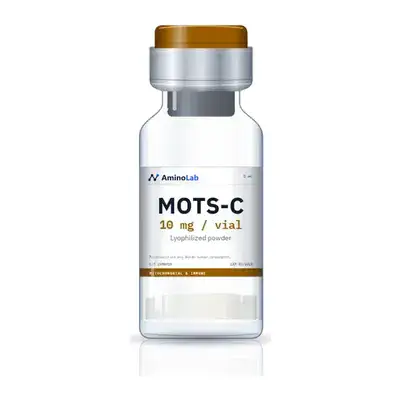
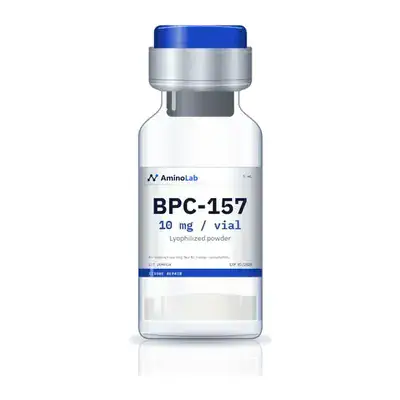
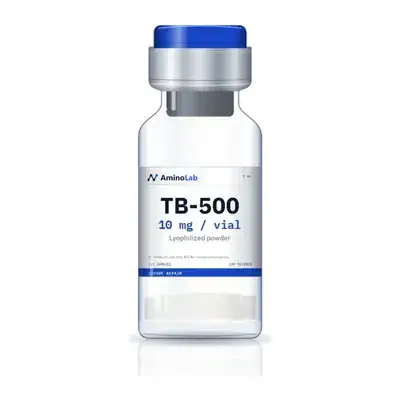
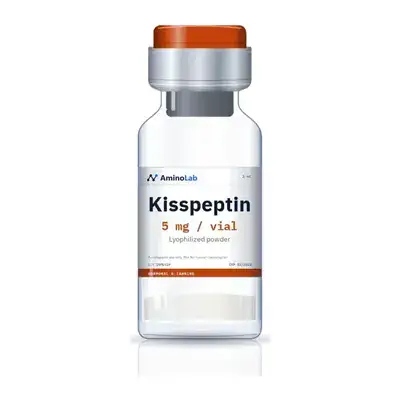
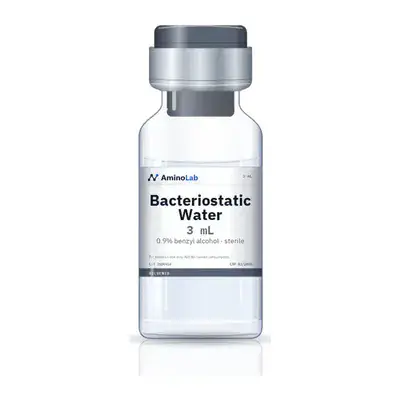
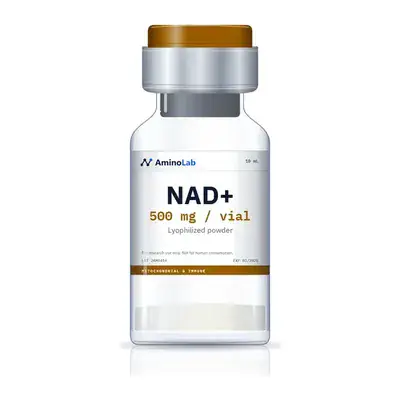
With those themes in mind, here is where SA orders tend to land. Cellular energy and ageing designs reach for NAD+, a 500 mg vial, and often add MOTS-C, which comes as 10, 20 or 40 mg. Tissue repair studies typically pair BPC-157 against TB-500. Reproductive endocrinology groups use kisspeptin, offered at 5 mg or 10 mg. Each product page also lets you add bacteriostatic water, so the diluent travels in the same box.
Looking for peptides near me in Adelaide mostly leads to clinics and compounding chemists, none of which stock lot-certified lyophilised research vials. Driving to Norwood or walking Rundle Mall will not change that. Our catalogue lives in Australian stock and is sold online, so a group at Mawson Lakes, a lab in the CBD, a researcher in Glenelg or a team up in the Adelaide Hills all order the same way and see the same paperwork. The certificate is on screen long before the parcel arrives.
Lots are never waved through on an earlier result. A fresh independent test is run for each new lot, and the report gives you three things to confirm. First, the lot code must be identical to the one on your vial. Second, HPLC supplies the purity number. Third, the mass spectrometry reading should line up with the theoretical molecular weight of the compound. A mismatch on any of the three means the vial stays sealed and you contact our team.
Large-fill products also change how much diluent you need. NAD+ at 500 mg uses far more liquid than a 10 mg peptide, which is why the 10 mL or 30 mL bacteriostatic water suits it better than the 3 mL bottle. Work out the volume in the peptide calculator first, then fill the cart.
Adelaide topped 46.6 °C in January 2019, and it is the driest capital on the mainland. Dry air actually suits a lyophilised cake better than humid tropical conditions, so temperature is the variable to watch. Keep unopened vials at 2 to 8 °C, and move anything you will not touch for a while to minus 20 °C, ideally in a freezer without auto-defrost, since every defrost cycle briefly warms the contents. Reconstituted material is a different story. It needs the fridge, protection from light, a date written on it and disposal after roughly four weeks, which is why we suggest preparing a single vial at a time and leaving the rest frozen.
South Australia's Controlled Substances Act 1984 brings the national Poisons Standard into state law for poisons and prescription medicines, and some peptides are prescription only when supplied therapeutically. AminoLab products hold no TGA approval. We sell them for laboratory research only, never for human or veterinary use, and only to adults aged 18 and over, with no dosing or medical advice given. Teams working with Victorian partners may find our peptides Melbourne page useful, and the complete range sits in the online peptide shop.
No storefront is needed. AminoLab sells online from Australian stock, matches each vial to an independent lot certificate, and lets you add bacteriostatic water and syringes at checkout. Orders are accepted from adults aged 18 and over, for laboratory research only.
NAD+ (a 500 mg vial) and MOTS-C (10, 20 or 40 mg) are the common starting pair for cellular energy and ageing work. Size the MOTS-C order so the vial is used up inside about four weeks after mixing, and look over each lot report in the COA library before you buy.
Laboratory purchase of research peptides is permitted, but AminoLab products carry no TGA approval and are not for people or animals. The Controlled Substances Act 1984 applies the Poisons Standard in South Australia, which makes some peptides prescription only for therapeutic supply. Our sales are research-only and restricted to adults.
Store sealed freeze-dried vials at 2 to 8 °C in a fridge, or at minus 20 °C for long periods, preferably in a freezer that does not auto-defrost. Keep mixed solutions chilled and dark and discard them after roughly four weeks. Assume any mixed vial that sat at room temperature on a heatwave day is compromised.
Research use onlyAminoLab supplies research compounds for laboratory and in-vitro use, not for human or animal consumption. By continuing you confirm you are 18 or older and buying for research.
Leave