BPC-157
10 mg vial, 60 capsules
From $69
10 mg vial, 60 capsules
10 mg vial
50 mg vial, 100 mg vial
10 mg vial
80 mg vial
10 mg vial, Nasal spray, 10 mL
3 mL, 3 mL + 1 syringe, 10 mL, 10 mL + 1 syringe, 30 mL, 30 mL + 1 syringe
Shop lab tested peptides Australia wide with the report for your actual lot open on screen before you add anything to the cart. For every AminoLab batch, an outside laboratory identifies the molecule using mass spectrometry and measures purity with an HPLC run, and the lot code on the report is the one printed on your vial. Read on to see what those results prove, where they run out, and how to order with the certificate right beside you.
No lot reaches the shop until samples from it have been analysed by an independent laboratory that AminoLab does not own. That laboratory answers two questions. Is the compound the one named on the label, and how pure is it? Its answers are written onto a certificate that covers only that batch, and the lot number on every vial, capsule bottle, spray and pen points back to that document.
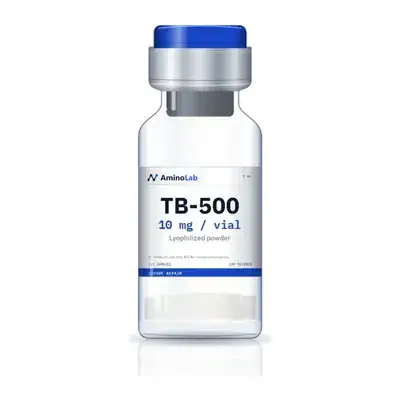
It works the same way right across the catalogue. A single compound such as TB-500, a combination vial from the peptide stacks range, or a ready format such as pre-filled peptide pens, nasal spray peptides or peptide capsules all follow one rule, the certificate you see belongs to the lot you receive. It is never a sample report borrowed from some earlier batch.
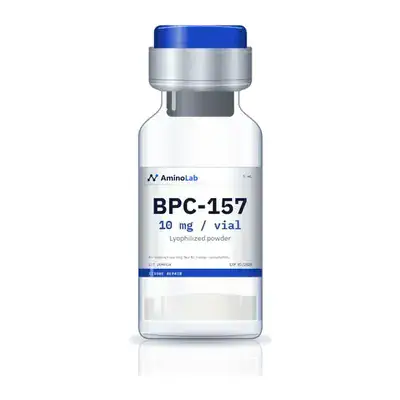
Mass spectrometry checks that the molecule is the right one. The instrument measures the mass of what is in the sample and lines that observed value up against the theoretical mass of the sequence. As an example, BPC-157 (GEPPPGKPADDAGLV) comes in at a molecular weight of about 1419. Agreement confirms the chain matches the order, while disagreement suggests a wrong sequence, a chain cut short or another compound entirely.
HPLC checks what fraction of the material is the target. During a high-performance liquid chromatography run, the sample is forced through a packed column, its components exit at different times, and a UV detector registers each one. Purity is then the share of all detected area that comes from the target peptide. HPLC tested peptides can therefore be compared from one lot to the next, but the number has limits. Leftover water, salts and counter-ions from synthesis never register as peptide peaks, so an HPLC purity result is not a measure of net peptide content by weight.
Identity and purity tell you most of what you need to know about a vial, yet they leave several questions unanswered. A typical identity and purity certificate is silent on each of the following.
These gaps count for most when you are assessing reported reactions to a compound. Our GHK-Cu side effects review looks at how often a quality fault, missing copper or synthesis by-products for instance, ends up blamed on the molecule.
The certificates AminoLab publishes report identity and purity, nothing more. Please do not treat them as sterility or endotoxin results, and be sceptical of any seller whose single cheap report seems to tick every box on the list.
For a field by field explanation, see our guide to reading a peptide COA. The quality and testing page sets out how we number, pack and release each lot.
A certificate can be copied, cropped or edited in minutes, so treat each one as a claim you still need to verify. Here is what we would watch for.
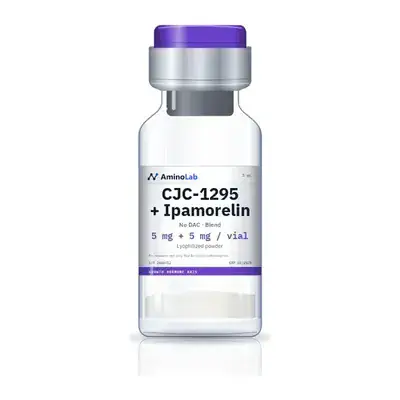
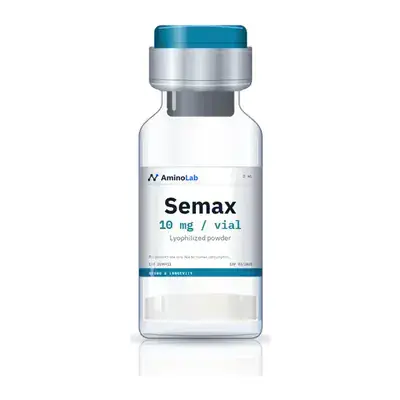
Our testing covers tissue repair peptides, growth hormone secretagogues including the CJC-1295 and ipamorelin blend, and nootropic peptides like Semax, in vials, sprays, capsules and pens alike. Larger orders can go through the wholesale page, and if you are still comparing suppliers, our peptides for sale in Australia overview arranges every tested line by research area.
Not sure what to order first? These are the tested lines we suggest to most labs, and our reasons.
A shop counter selling tested peptides near me is hard to find, and even if one existed it would still owe you a certificate. AminoLab holds every lot in Australian stock and ships online orders to labs nationwide, so from anywhere in the country you can match the lot code on screen to its report before paying.
Every product on this page is supplied as a laboratory reagent for adults 18+, and never for use in people or animals. Testing records what a lot contains, and it does not make any peptide approved or suitable for human use. Ready to compare lots? Shop tested research peptides and order the fills your lab needs today.
When a seller tests its own product, it has a clear reason to want a good result. Third party testing removes that conflict, because samples from each AminoLab lot are analysed by a laboratory that gains nothing either way from the sale. The report it produces names the laboratory and carries the test date and the lot code.
In solid-phase synthesis the chain is built one amino acid at a time, and a small number of coupling steps fail. That is why minor peaks appear beside the main one, and they are usually close relatives of the target, such as deletion sequences lacking a residue, chains that ended early, or copies with an oxidised amino acid. At 98% purity, those relatives add up to about 2% of the detected peak area.
The instrument weighs the molecules present and gives an observed molecular mass, which the certificate lists next to the theoretical mass calculated from the sequence. For a peptide, expect the two to agree within roughly one dalton. If the result is far off, for instance short by an entire amino acid, the vial holds something other than the compound on its label.
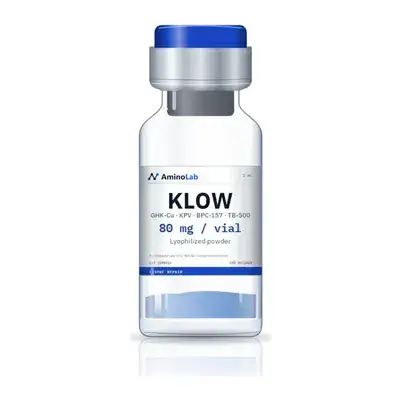
With four compounds sharing one 80 mg vial, the KLOW certificate has to identify GHK-Cu, KPV, BPC-157 and TB-500 individually, each with its own mass and its own peak. If a blend report names only one ingredient, the presence of the others has not been shown. The KLOW listing and our peptide blends range list the components each vial should hold.
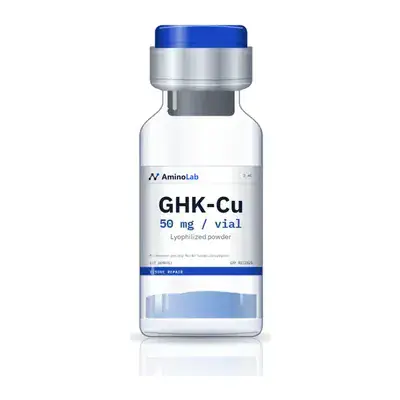
A few compounds give you a clue before you open any document. Most lyophilised peptide cakes are white, but GHK-Cu and the blends containing it are blue thanks to the bound copper, so a white cake in a GHK-Cu vial is worth asking about. Then look up the lot code in the certificate library to finish the check.
One that comes from a lot a laboratory analysed before it was offered for sale. For AminoLab, an independent lab confirms identity with mass spectrometry and measures purity with HPLC, then the certificate is tied to the lot number on the vial. Whichever supplier you use, ask who ran the tests and which tests were done.
Not necessarily. A certificate of analysis only speaks to the tests printed on it. The identity and purity certificates AminoLab issues do not assess sterility or bacterial endotoxin, which call for separate microbiological and LAL testing. Never assume a result the certificate does not show.
High-performance liquid chromatography, or HPLC, splits a sample into its components so each appears as its own peak. Purity is reported as the main peak's portion of all the peak area. It shows what share of the detected material is the target peptide, though water, salts and net peptide content fall outside what it measures.
Start by matching the lot number to your label. Then look for a named, contactable laboratory, plus a mass spectrometry result and an HPLC chromatogram on the same report. Be suspicious of a neat 100% purity, one certificate used for several products, and signs of editing such as fonts or dates that shift.
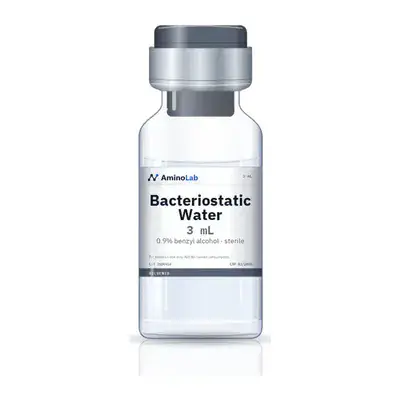
Right here. AminoLab ships lab tested peptides Australia wide from local stock, and every product page names the lot currently on hand. Look that lot up in the COA library to see its identity result and HPLC purity before paying, then pick your compound and fill, add bacteriostatic water where the vial calls for it, and confirm you are 18 or over at checkout.
Research use onlyAminoLab supplies research compounds for laboratory and in-vitro use, not for human or animal consumption. By continuing you confirm you are 18 or older and buying for research.
Leave