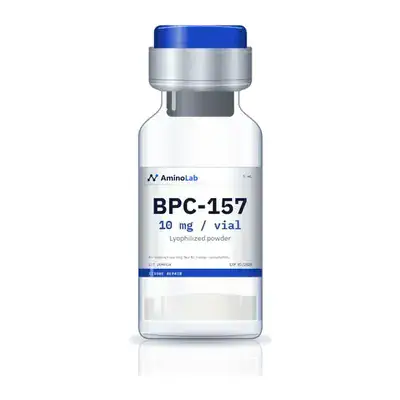
BPC-157
10 mg vial, 60 capsules
From $69
What is retatrutide, put plainly? Eli Lilly's experimental compound LY3437943, one peptide chain built to activate the GIP, GLP-1 and glucagon receptors at the same time. In clinical studies that three-way action delivered bigger weight reductions than drugs working on one or two receptors. It remains unapproved in every country, with phase 3 readouts continuing through 2026.
A common follow-up is whether retatrutide is a peptide at all, and it is. The molecule is 39 amino acids long, with a backbone taken from GIP (glucose-dependent insulinotropic polypeptide) then re-engineered until that single chain could trigger GLP-1 and glucagon receptors as well. Chemically and pharmacologically it has nothing to do with anabolic steroids, and it is not a steroid of any kind.
Most of what makes the molecule behave the way it does comes down to three design choices.
Expect a molecular weight near 4.73 kDa. For lab users that number is the one to remember, since a mass spectrometry identity test is checking for precisely that value.
Each receptor retatrutide engages governs a different piece of energy balance.
Lilly tuned the three on purpose so they are not equal. A 2024 structural paper in Cell Discovery put retatrutide at roughly 8.9 times the potency of native GIP at the GIP receptor, yet only around 0.4 times native GLP-1 and 0.3 times native glucagon at theirs. What does retatrutide do, then, in real terms? It pushes hardest through GIP, retains GLP-1 action sufficient for appetite effects, and layers on a partial glucagon signal to raise energy use and cut liver fat without the blood sugar spike that full glucagon agonism would bring.
In people, the retatrutide half life sits close to six days. Urva et al. reported it in The Lancet in 2022, from a phase 1b multiple-ascending-dose trial in adults with type 2 diabetes, and it explains why every trial so far has used a once-weekly schedule. Natural GLP-1, by contrast, circulates for roughly two minutes, and natural GIP for only a few, so without its albumin-binding fatty acid retatrutide would be impractical.
On the bench, shelf stability matters far more than plasma clearance. Keep the freeze-dried powder in a freezer at minus 20 °C. After reconstitution, move the vial to a fridge at 2 to 8 °C and finish it within four weeks. Our peptide storage guide explains the reasoning, while the retatrutide calculator works out reconstitution volumes for every vial size.
Treat the benefits of retatrutide as trial readouts for now. No regulator has reviewed them, so they are not established clinical benefits. Here is what the studies reported.
For a dose-by-dose and week-by-week breakdown, see our retatrutide results guide.
At present there are only two places retatrutide is legitimately used, registered clinical trials and laboratory research. Lilly is testing it across obesity and type 2 diabetes, kidney disease, cardiovascular outcomes, obstructive sleep apnoea, chronic low back pain and knee osteoarthritis pain. During July 2026 the company said its FDA submission had moved to early 2027, citing the need for more manufacturing and quality data.
For lab groups, retatrutide serves as a tool compound for untangling how the three receptors interact. Since one molecule covers all three pathways, a study might pair it with an amylin analogue such as cagrilintide, with a GLP-1-only compound, or with the dual agonist tirzepatide, teasing apart each pathway's share of the effect. Our retatrutide vs tirzepatide guide lays out that comparison in full.
Trial side effects look much like other incretin drugs. Nausea, diarrhoea, vomiting and constipation dominate, they scale with dose and cluster in the escalation phase, and resting heart rate tends to climb. Phase 3 also flagged dysesthesia, an altered skin sensation, at the higher doses. The complete numbers live in the AminoLab write-up on retatrutide side effects.
Retatrutide has no ARTG listing in Australia. The TGA has warned people not to use it outside clinical trials after testing products sold under that name and finding contamination, or a different drug altogether.
Asking what is the best peptide to take with retatrutide gets a research answer, not a lifestyle one, because in the literature the right companion is a comparator. Tirzepatide covers two of the three retatrutide receptors, so running both side by side isolates the glucagon contribution, and cagrilintide brings in the amylin pathway. We do not advise on combinations used anywhere outside a lab.
Now that the question of what is retatrutide is covered, here is how AminoLab supplies it. You can choose freeze-dried powder at 10, 20 or 30 mg per vial, or the Retatrutide Pen which carries 10 mg pre-dissolved in a 3 mL multi-dose cartridge. Every lot goes to an independent lab, where mass spectrometry confirms identity and HPLC assesses purity, and you can look up your vial's lot number on the COA lookup page. Browse related incretin and amylin compounds in the metabolic research peptides range.
Picking a format is simple. Labs that reconstitute peptides as a matter of routine should buy the retatrutide vial, because dry powder stores longest and the 30 mg fill has the lowest cost per milligram. Short studies that want no mixing step suit the pen. If you are ordering for the first time, the retatrutide starter kit is usually the easiest start, bundling the peptide with 3 mL of diluent and an insulin syringe. Shop online, check the lot certificates and order the size your protocol calls for.
Everything AminoLab sells is for laboratory research only and is never intended for people or animals.
Retatrutide is a triple agonist that switches on GLP-1 and GIP receptors, which drive insulin release and appetite signalling, plus the glucagon receptor, which lifts energy expenditure and lowers liver fat. Average weight fell as much as 24.2% by week 48 in phase 2 and 28.3% by week 80 in phase 3, and blood glucose improved in type 2 diabetes.
It is a peptide, 39 amino acids long, built on a GIP-derived backbone with non-natural amino acids that resist enzymes and a C20 fatty acid chain that binds albumin. It has no relation to steroids. A mass near 4.73 kDa is what a mass spectrometry identity test confirms.
Roughly six days in humans, according to the phase 1b trial published in The Lancet in 2022. Albumin binding by the fatty acid side chain stretches it out, which is why every clinical trial has used weekly administration.
Eli Lilly, the maker of tirzepatide (Mounjaro), discovered and is developing it under the research code LY3437943. Lilly runs the TRIUMPH phase 3 programme in obesity and related conditions and the TRANSCEND programme in type 2 diabetes, and plans to seek FDA approval in early 2027.
Not at the time of writing. Neither the FDA nor the TGA nor any other regulator has approved it, and it is not on the Australian Register of Therapeutic Goods. Lilly expects to file in the US early in 2027, and other countries will run their own timelines.
Order it online from AminoLab, for laboratory research only. Australian stock includes three vial sizes, the pen and the starter kit, each lot backed by an independent laboratory certificate. As retatrutide is not on the ARTG it cannot be sold as an approved medicine, and research vials are not for human use.
10 mg vial, 60 capsules
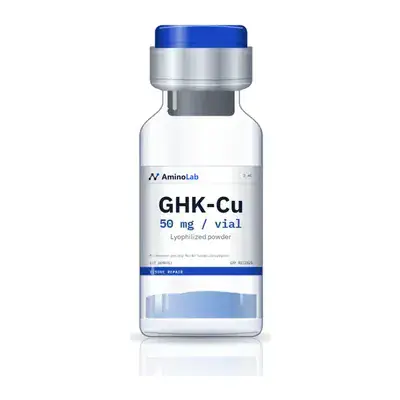
50 mg vial, 100 mg vial
10 mg vial
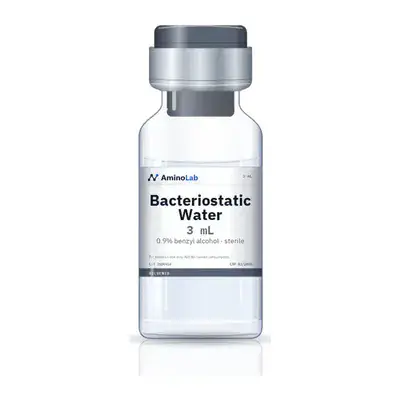
3 mL, 3 mL + 1 syringe, 10 mL, 10 mL + 1 syringe, 30 mL, 30 mL + 1 syringe
Research use onlyAminoLab supplies research compounds for laboratory and in-vitro use, not for human or animal consumption. By continuing you confirm you are 18 or older and buying for research.
Leave